Research

Machine Learning-Empowered Pathology

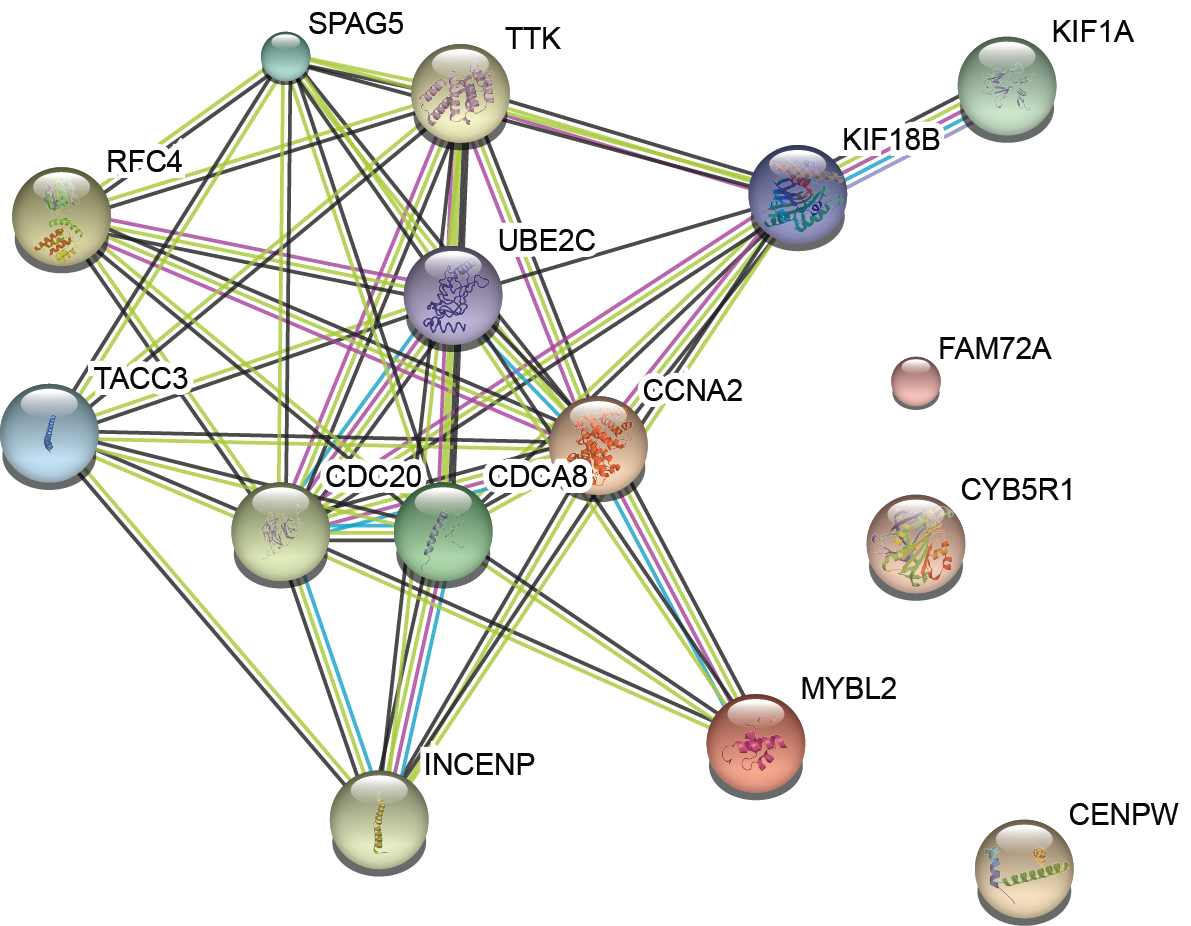

The overarching goal of our lab is to establish robust, generalizable, and fair artificial intelligence (AI) methods for quantitative pathology evaluation. We developed the first fully-automated algorithm to analyze digital whole-slide pathology images. Our methods successfully identified cancer diagnoses, predicted molecular subtypes, and informed patients' prognoses.


Example Publications:

  • Lin SY et al. Contrastive Learning Enhances Fairness in Pathology Artificial Intelligence Systems. Cell Reports Medicine. 2025 Dec 16;6(12):102527. [Pubmed] [Codes]
  • Zhao J et al. Uncertainty-Aware Ensemble of Foundation Models Differentiates Glioblastoma from Its Mimics. Nature Communications. 2025 Sep 29;16(1):8341. [Pubmed] [Codes]
  • Wang X et al. A Pathology Foundation Model for Cancer Diagnosis and Prognostic Prediction. Nature. 2024 Oct;634(8035):970-978. [Pubmed] [Codes]
Quantitative Pathology

Linking Pathology with Multi-Omics Profiles

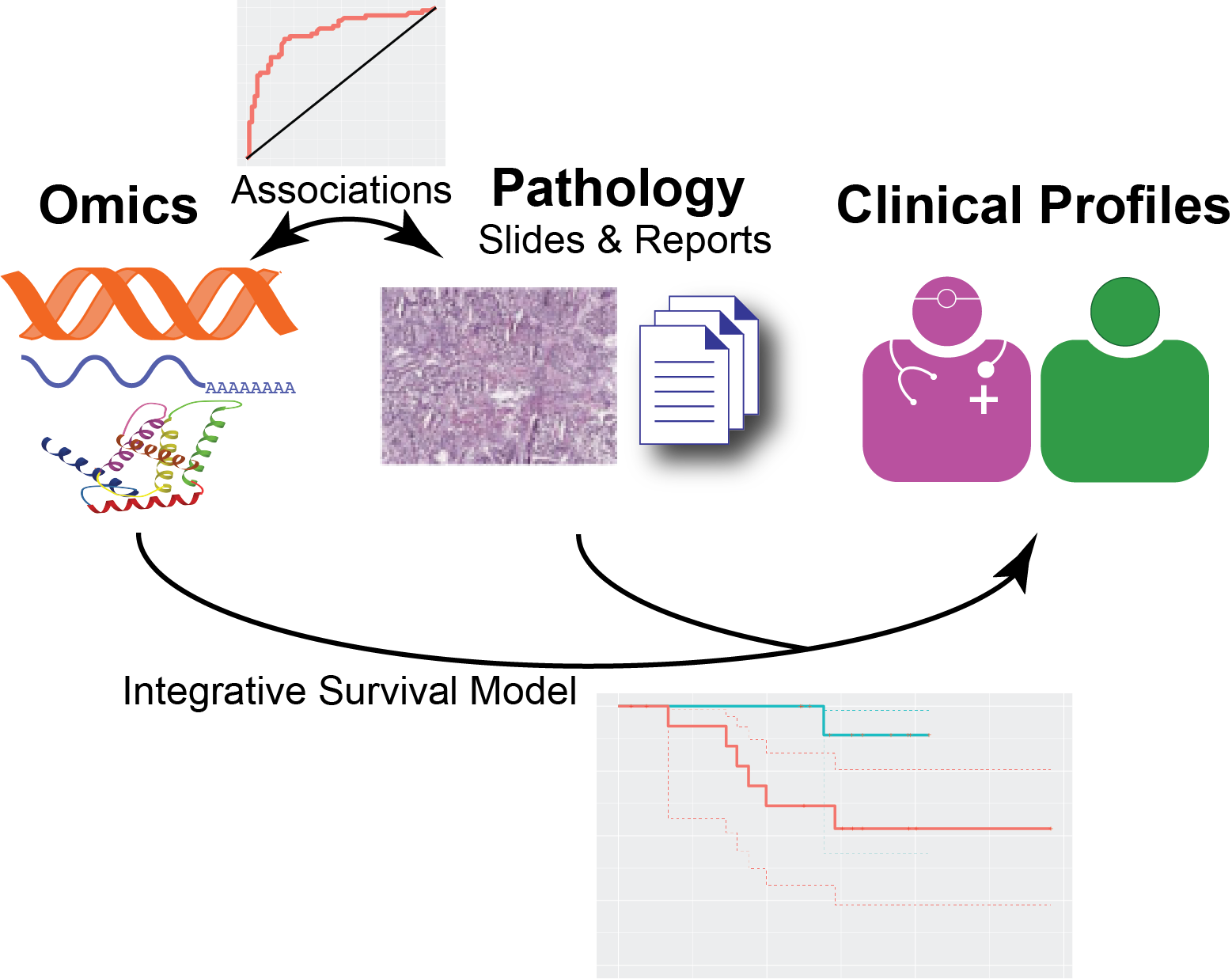
We designed data-driven methods to connect molecular profiles and microscopic imaging patterns of cancer tissues. Our approaches elucidate the molecular aberrations underpinning the diverse morphology of cancer cells.


Example Publications:

  • Nasrallah MP et al. Machine learning for cryosection pathology predicts the 2021 WHO classification of glioma. Med. 2023 Aug 11;4(8):526-540.e4. [Pubmed] [Codes]
  • Tsai PC et al. Histopathology Images Predicted Multi-Omics Aberrations and Prognoses in Colorectal Cancer Patients. Nature Communications. 2023 Apr 13;14(1):2102. [Pubmed] [Codes]
  • Marostica E. et al. Development of a Histopathology Informatics Pipeline for Classification and Prediction of Clinical Outcome in Subtypes of Renal Cell Carcinoma. Clinical Cancer Research. 2021 May 15;27(10):2868-2878. [Pubmed] [Codes]
Multi-Omics

Enhancing Clinical Practice with Real-World Data

We develop multi-modal AI models to integrate pathology, molecular, and clinical profiles of patients from diverse populations. Our approaches predicted patients' treatment responses and adverse effects, which informs clinical decisions on treatment selection.


Example Publications:

  • Yu KH et al. Medical Artificial Intelligence and Human Values. New England Journal of Medicine. 2024 May 30;390(20):1895-1904. [Pubmed]
  • Brociner E et al. Association of Race and Socioeconomic Disadvantage With Missed Telemedicine Visits for Pediatric Patients During the COVID-19 Pandemic. JAMA Pediatrics. 2022 Sep 1;176(9):933-935. [PubMed]
  • Wang F. et al. Real-World Data Analyses Unveiled the Immune-Related Adverse Effects of Immune Checkpoint Inhibitors Across Cancer Types. npj Precision Oncology. 2021 Sep 10;5(1):82. [PubMed]
Multi-Omics